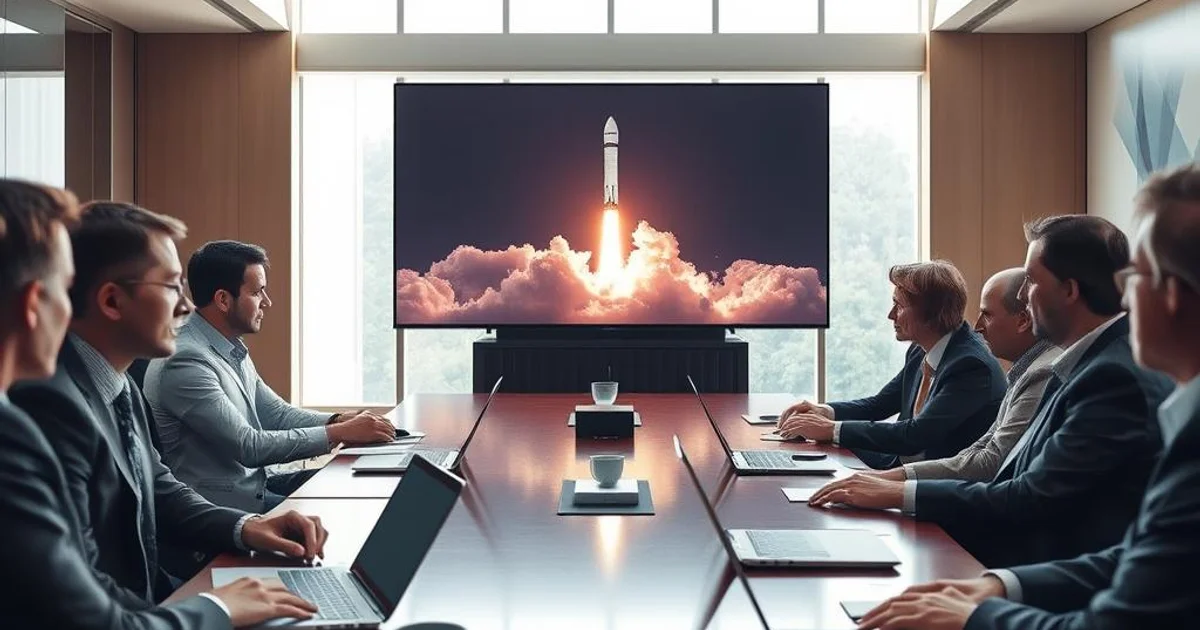
SpaceX prices IPO at $135 per share in largest public offering ever
At a glance:
- SpaceX raised $75 billion in the largest IPO ever, pricing 555.6 million shares at $135 each.
- The deal eclipses Saudi Aramco's 2019 record and could make Elon Musk the world's first trillionaire.
- SpaceX will trade under the SPCX ticker on Nasdaq, with an option to raise another $11 billion through additional shares.
The largest IPO in history
SpaceX has officially priced its initial public offering at $135 per share, raising $75 billion and setting a new record for the largest public offering in history. The company sold 555.6 million shares, far surpassing the previous record of $24.9 billion set by Saudi Aramco during its 2019 debut. The pricing came as a surprise, as SpaceX opted for an unconventional approach by setting the price well in advance of its roadshow, testing investor appetite before traditional marketing began. According to Bloomberg, the offering attracted four times the available shares, indicating strong demand from institutional and individual investors alike.
The company, formally known as Space Exploration Technologies Corp., will begin trading under the ticker symbol SPCX on the Nasdaq. While the share price may fluctuate in the coming days, early indications suggest robust interest. Hyperliquid, a crypto-based synthetic market, currently prices SpaceX shares at $167, implying expectations of a classic 20% IPO pop on the first day of trading.
Musk's unprecedented stake and other major shareholders
The IPO delivers a staggering windfall to Elon Musk, who owns just under 850 million Class A shares (one vote per share) and 5.6 billion Class B shares (10 votes per share). The Class B shares include 1 billion shares tied to Musk's long-shot bet that a million people will one day live on Mars. At the IPO price, Musk's stake could make him the world's first trillionaire.
Other significant beneficiaries include:
- Antonio Gracias, founder and CEO of Valor Management, who owns 503.4 million shares, valued at nearly $68 billion.
- Luke Nosek, a SpaceX board member and investor, holding 33 million shares.
- Gwynne Shotwell, SpaceX COO, with nearly 12.6 million shares.
The offering also enriches approximately 400 venture capitalists who backed SpaceX during its two-decade private phase, when it raised about $40 billion in funding. Additionally, a vast pool of smaller investors who participated via special purpose vehicles (SPVs) stand to see their investments multiply, though some may not fully grasp the magnitude of their gains until after the lock-up period expires.
Future challenges and market questions
Despite the IPO's success, SpaceX faces immense pressure to justify its valuation. The company's ambitious roadmap includes developing the world's largest reusable rocket and constructing a new American semiconductor fabrication facility. These engineering milestones, alongside its Starlink internet constellation and Mars colonization goals, represent a daunting to-do list for the 24-year-old firm.
The listing also marks a pivotal moment for the private space industry, which has long been dominated by Musk and Jeff Bezos's ventures. With SpaceX now public, investors will scrutinize its profitability, particularly as Starlink faces increasing competition and regulatory hurdles in global markets.
Why it matters
SpaceX's IPO is not just a financial milestone but a symbolic one for the future of commercial space exploration. It signals the maturation of a sector that has captivated imaginations and driven innovation for over two decades. The deal also underscores the growing influence of private capital in shaping national and international space policy, as SpaceX continues to redefine the boundaries of what is possible in space technology.
As trading begins, all eyes will be on how the stock performs and whether SpaceX can deliver on its bold promises. The world's first trillionaire may be on the horizon, but the real test lies in transforming that wealth into sustainable, transformative achievements in space.
FAQ
What is this article about?
What is this article about?
What is this article about?
More in the feed
Prepared by the editorial stack from public data and external sources.
Original article