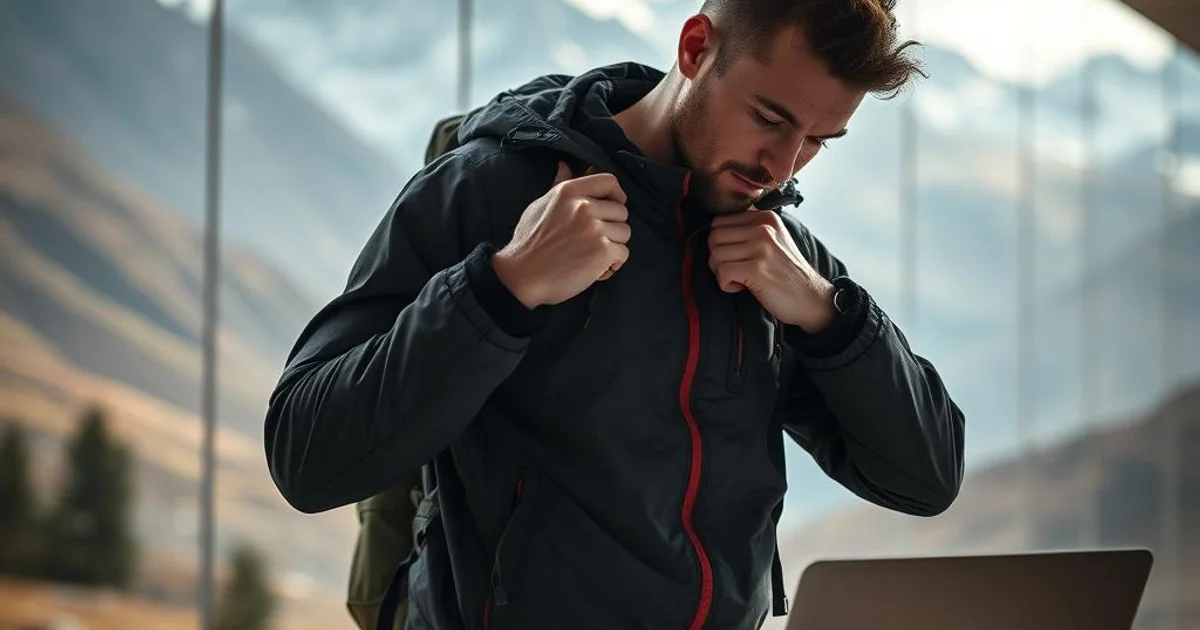
Researchers develop textile that can produce drinking water from air
At a glance:
- Researchers at UT Austin created a wearable jacket using a special fabric that harvests 400–900 ml of drinkable water daily from ambient air.
- The fabric collects moisture and transfers it to detachable harvesting units, which are heated in a foldable collector to produce potable water.
- Potential uses include medical response teams, emergency relief, remote locations, and portable hiking or extreme‑sports gear.
How the textile works
The new fabric is engineered with hydrophilic channels that capture water vapor directly from ambient air. When moisture condenses, it is routed through a micro‑capillary network to detachable harvesting units embedded in the garment. The units can be removed and placed in a foldable collector where a modest heat source evaporates the water, condenses it, and yields drinkable liquid.
The transport design separates collection from storage, enabling the textile to function as a wearable system rather than a stationary device. The collector can be integrated into a jacket, backpack, or tent, allowing the wearer to harvest water wherever they go. After heating, the condensed water is filtered to meet potable standards, completing the cycle.
Performance and capacity
In laboratory tests the textile produced between 400 and 900 ml of water per day, equivalent to roughly 14–30 ounces, depending on ambient humidity. Lower humidity reduces output, while high‑humidity environments such as tropical climates can push daily yields toward the upper limit. These figures represent a continuous, passive collection process that requires only ambient heat for final purification.
Existing atmospheric water generators typically occupy room‑scale units and consume significant electricity, whereas this textile operates without external power during the harvesting phase. The weight of the fabric is comparable to conventional outdoor apparel, making it practical for portable use. The dual‑stage approach — passive collection followed by low‑energy heating — offers a scalable solution for both emergency responders and outdoor enthusiasts.
Applications and deployment scenarios
The technology is being evaluated for use by medical response teams operating in remote or disaster‑struck regions where clean water is scarce. Emergency relief agencies could distribute lightweight jackets or integrated backpacks to provide immediate hydration for affected populations. In everyday contexts, hikers and extreme‑sports participants could carry a jacket, a backpack, or a tent equipped with the fabric to generate water on long treks. Potential form factors include:
- backpack
- tent
If commercial rollout proceeds, the fabric could become a standard component in adventure gear, offering a sustainable water source without reliance on bottled supplies.
FAQ
What is the daily water output range of the textile jacket developed by UT Austin researchers?
Which groups are the primary intended users of this water‑harvesting textile?
Can the same textile be used to make other items besides a jacket?
More in the feed
Prepared by the editorial stack from public data and external sources.
Original article