Ukraine used ai-controlled terminator drones to kill russian soldiers in 2024 first confirmed autonomous killings
At a glance:
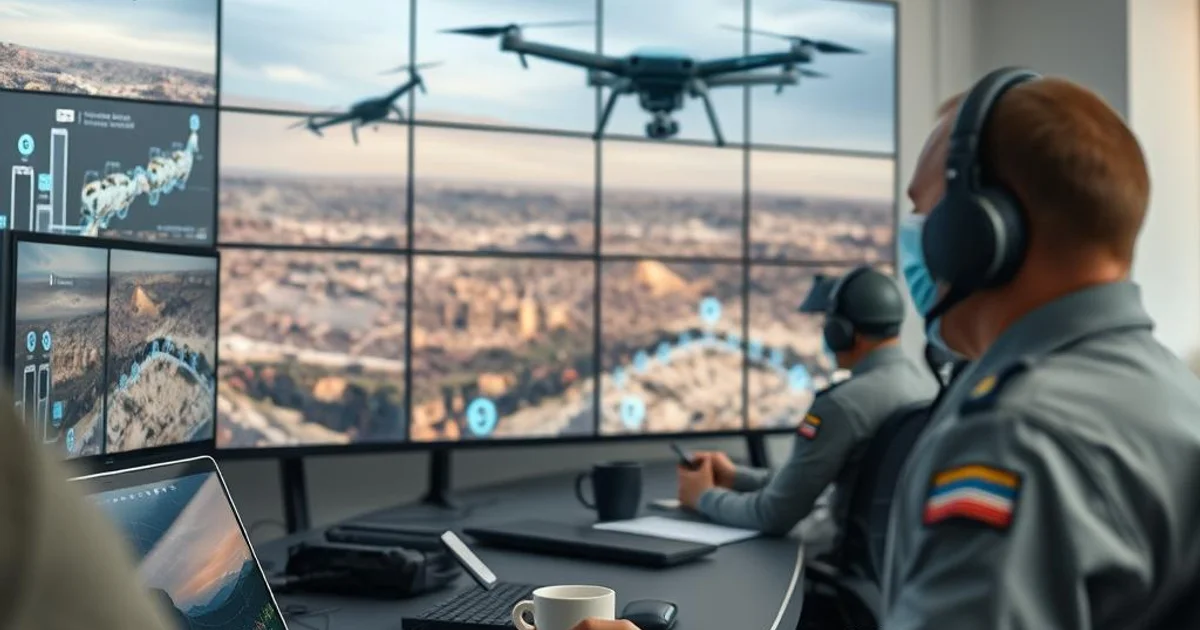
- Ukraine deployed 10 fully autonomous quadcopter drones in 2024 using 'Terminator Mode' to kill Russian soldiers and destroy a truck
- The ai-controlled drones operated without human connection, autonomously identifying and engaging targets
- This marks the first confirmed use of autonomous weapons to kill humans at the sole discretion of artificial intelligence
This revelation emerged from a June 2026 press event in Kyiv, where Alexander Kokhanovskyy, a Ukrainian drone manufacturer, spoke to New Scientist about the 2024 operation near Bakhmut and Chasiv Yar. The deployment of ten autonomous quadcopters represents a watershed moment in modern warfare, crossing a technological and ethical threshold that has prompted significant international concern.
Ukraine's Ministry of Defense has acknowledged the existence of a domestic ban on fully autonomous final-stage targeting of humans by drones. However, officials indicated that government decision-makers were actively engaged in discussions with defense companies about potentially modifying these regulations. The 2024 mission appears to have been conducted as a one-off test, with human-piloted drones subsequently deployed for reconnaissance to confirm the casualties, which included "a couple of soldiers, one truck."
Kokhanovskyy's description of the system reveals the chilling extent of its autonomy: "There is no connection to the drone at all, you cannot see the video, nothing... Everything it sees will be killed." This suggests that the drones were operating in a completely closed-loop system, where the artificial intelligence made all targeting decisions without human oversight or real-time intervention capabilities.
The ethical implications of this development have sparked immediate condemnation from the international community. UN Secretary-General António Guterres had previously called for a red line on autonomous weapons that can kill without human intervention. Academics who spoke to New Scientist described the news as "horrendous" and a "theft of human dignity," arguing that removing human judgment from warfare poses significant risks to human rights and international humanitarian law.
Despite the ban on autonomous targeting, Ukrainian officials appear to be reconsidering their stance on ai-driven military technology. The country has been actively training ai systems using real battlefield data, with over 100 companies now accessing combat footage through the BRAVE1ua Dataroom. This platform provides thermal and visual feeds from aerial targets across multiple sensors, day and night operations, and all-weather conditions, creating scenarios as close to actual combat as possible.
The broader implications suggest that other nations may have already crossed similar thresholds. While Ukraine's use represents the most documented case to date, experts caution that the rapid advancement of ai in military applications means this technology could already be operational in other conflicts. The incident underscores the urgent need for international regulation and highlights the gap between current ethical frameworks and rapidly evolving military technology.
Moving forward, the international community faces mounting pressure to establish clear guidelines governing autonomous weapons systems. The incident demonstrates that the question is no longer whether autonomous weapons will be used, but rather how quickly their deployment will accelerate and under what oversight mechanisms they will operate. Military strategists and ethicists alike emphasize that maintaining human oversight in critical targeting decisions remains essential for preserving accountability and adherence to the laws of war.
The development also raises practical questions about military effectiveness. Some academics argue that keeping humans in the loop remains superior for operational success, suggesting that the 2024 demonstration may ultimately reinforce rather than undermine the case for human judgment in targeting decisions. As nations continue to invest in ai-powered warfare capabilities, the tension between technological advancement and ethical responsibility will define the future of modern combat.
FAQ
What are the 'Terminator Mode' drones and how do they work?
When were these autonomous drone kills confirmed and what happened?
Does Ukraine have laws against autonomous weapons and what is the international response?
More in the feed
Prepared by the editorial stack from public data and external sources.
Original article