Trump to Reportedly Spend TikTok Settlement Money on D.C. Beautification
At a glance:
- TikTok may pay $400 million to settle child privacy allegations
- Funds earmarked for D.C. beautification projects under Trump's oversight
- Trump's personal projects, including a ballroom, conflict with NPS budget cuts
The Settlement and Its Unusual Fate
The alleged $400 million settlement stems from a 2024 lawsuit accusing TikTok of harvesting children's data without parental consent. Unlike typical settlements that compensate victims, this money would flow to federal agencies managing D.C. infrastructure. ABC News reports the funds would bypass direct victim compensation, a deviation from standard legal practice. The White House is reportedly channeling the money through the Presidential Capital Stewardship Program, a mechanism critics argue allows Trump to allocate resources to personal projects.
Trump's D.C. Beautification Ambitions
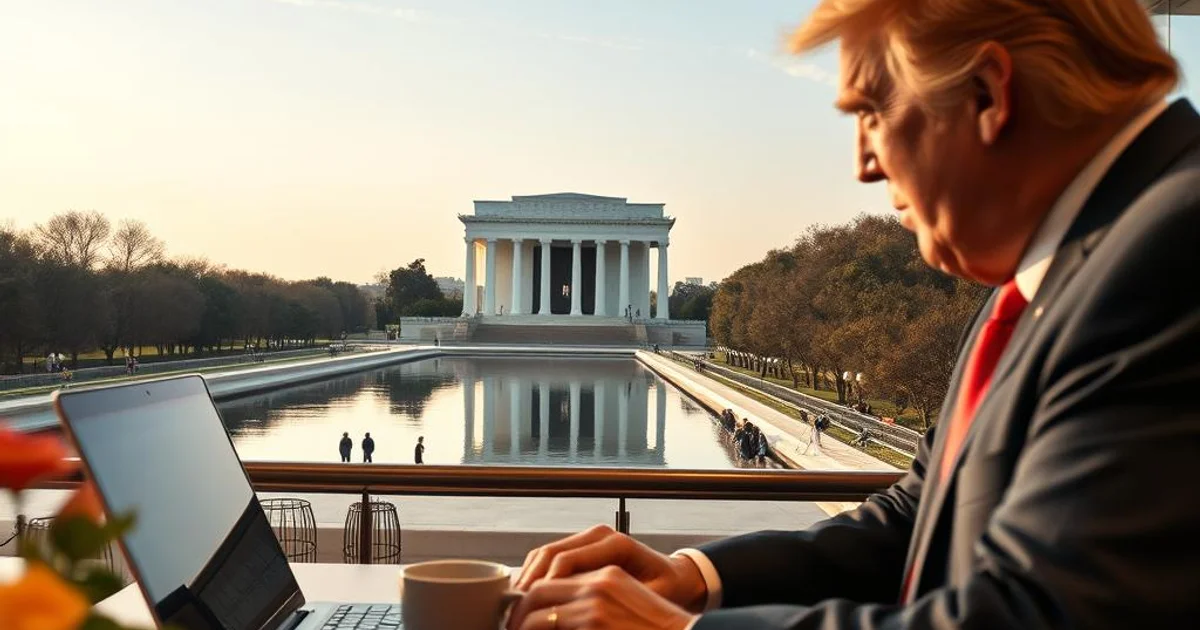
Central to the plan is the renovation of the Lincoln Memorial Reflecting Pool, which Trump has described as "dirty" and vowed to paint blue. The White House secured a $6.9 million no-bid contract for the project, bypassing competitive bidding processes. This move aligns with Trump's broader pattern of using executive authority to fund pet initiatives. Separately, he has pursued construction of a private ballroom at the White House, citing security needs after a shooting incident. Legal challenges loom, as the ballroom project has bypassed standard procurement rules, raising questions about accountability.
Budget Cuts and Constitutional Questions
The settlement funds coincide with a proposed $10 billion cut to the National Park Service (NPS) budget. This divergence highlights Trump's prioritization of D.C. projects over broader conservation efforts. The Presidential Capital Stewardship Program, which facilitates these expenditures, operates outside typical congressional oversight. While Republicans control Congress, Speaker Mike Johnson has not publicly opposed the spending, suggesting institutional reluctance to challenge the administration. Legal experts note the program's constitutionality is untested, as it circumvents the legislative power of the purse.
Historical Context and Precedents
Trump's approach to federal spending mirrors past administrations' use of earmarks, but with heightened scrutiny due to his polarizing tenure. The Lincoln Pool project echoes 19th-century presidential initiatives to personalize public spaces, though modern transparency expectations complicate such efforts. Meanwhile, the ballroom controversy recalls debates over presidential perks during the Nixon and Clinton eras. Unlike those cases, however, TikTok's involvement adds a layer of corporate accountability to the spending controversy.
Implications for Tech and Government Relations
The settlement underscores growing tensions between tech companies and regulators. TikTok's compliance with privacy laws remains unproven, and the financial terms of the deal could set precedents for future litigation. For the government, the arrangement raises questions about leveraging corporate settlements for political ends. Critics argue it normalizes using fines as slush funds, while proponents see it as a pragmatic use of resources. The situation also reflects broader debates about tech giants' influence over policy and public funds.
What's Next for the Settlement?
Finalizing the $400 million deal depends on legal approvals and congressional sign-off. Trump's allies are likely to push for swift execution to avoid further scrutiny. Meanwhile, the NPS budget cut could face legislative challenges if environmental groups mobilize. The ballroom project's legal status remains unresolved, with potential delays if courts intervene. Long-term, the case may influence how settlements are structured in tech-related litigation, particularly concerning privacy violations.
Conclusion
This saga encapsulates Trump's distinctive approach to governance—prioritizing personal projects over institutional norms. The TikTok settlement's redirection of funds into D.C. beautification highlights both the administrative flexibility and ethical ambiguities of modern political spending. As the details unfold, the case will likely serve as a case study in executive power, corporate accountability, and the intersection of tech and politics.
FAQ
How much is TikTok reportedly paying in the settlement?
What specific D.C. projects are planned with the settlement money?
Why is this settlement unusual compared to typical tech privacy cases?
More in the feed
Prepared by the editorial stack from public data and external sources.
Original article